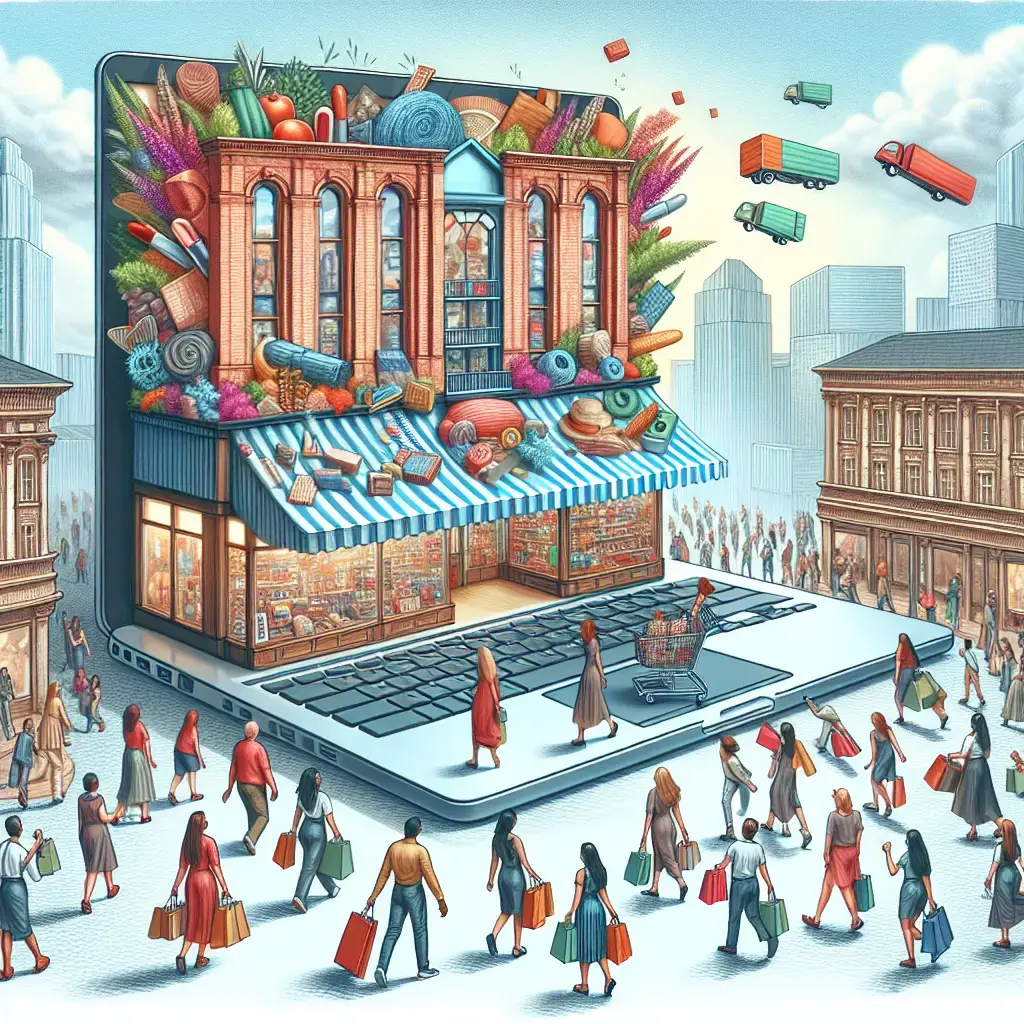
Niche DTC Brands: Disrupting the Retail Landscape
In recent years, niche direct-to-consumer (DTC) brands have emerged as powerful disruptors of traditional retail models. Captivating a new generation of consumers, these digital-first brands leverage innovative strategies to challenge established industry giants. As consumer behavior shifts towards personalized shopping experiences, these brands capitalize on niche market strategies to cater to specific audiences often overlooked by traditional retailers. The retail industry's transformation is evident, driven by the success of DTC brands emphasizing brand differentiation and customer engagement.
The Rise of Direct Sales Models
Bypassing Conventional Supply Chains
The appeal of direct sales models lies in their ability to bypass conventional supply chains, optimizing operations and reducing costs. This efficiency allows niche DTC brands to invest more in marketing tactics and create personalized connections with consumers. The shift towards online retail trends highlights a growing preference for convenience and bespoke experiences, further fueling the momentum of retail market disruption.
Challenges for Traditional Retailers
For traditional retailers, the rise of these agile competitors introduces significant challenges. As they grapple with adapting to digital-first environments and evolving consumer expectations, the pressure to innovate has never been greater. Niche DTC brands excel in retail innovation by harnessing cutting-edge technology and data analytics to refine their strategies, ensuring that every customer interaction is meaningful and impactful.
Leveraging E-Commerce Growth for Success
Niche DTC brands are uniquely positioned to capitalize on e-commerce growth, a trend that has accelerated in recent years. By operating primarily online, these brands minimize overhead costs associated with physical stores, allowing them to allocate more resources to innovative strategies. According to a recent eMarketer report, e-commerce sales are projected to increase significantly, highlighting fertile ground for DTC brand success. This shift empowers brands to directly engage with consumers, offering personalized shopping experiences that traditional retailers struggle to replicate.
Understanding Consumer Behavior Shifts
Personalized Shopping Experiences
Today's consumers increasingly value personalized shopping experiences catering to their specific needs and preferences. Niche DTC brands have effectively tapped into this consumer behavior shift by employing data-driven insights to tailor their offerings. For example, Purple Innovation's earnings call underscores the importance of agility in response to changing consumer expectations. By harnessing data analytics, niche DTC brands refine their product offerings and marketing tactics to resonate with target audiences often overlooked by traditional models.
The Advantage of Supply Chain Optimization
One significant advantage of the direct sales model employed by niche DTC brands is supply chain optimization. By bypassing traditional supply chains, these brands streamline operations, reduce costs, and deliver products more efficiently. Deckers Brands' first-quarter fiscal year 2025 financial results highlight improved operational metrics despite broader market challenges. Optimizing their supply chains allows niche DTC brands to offer competitive pricing while maintaining high levels of quality and customer satisfaction.
Strategies for Brand Differentiation
Crafting Unique Brand Identities
In an increasingly crowded marketplace, brand differentiation is crucial for standing out. Niche DTC brands excel in this area by crafting unique brand identities that resonate with specific consumer segments. They leverage innovative customer engagement strategies that foster loyalty and community among their customer base. For instance, DTC marketing tactics often include personalized email campaigns, influencer partnerships, and social media interactions that create a sense of connection and belonging.
Navigating Traditional Retail Challenges
The rise of niche DTC brands presents significant challenges for traditional retailers. As these agile competitors gain market share, traditional retailers must adapt to digital-first environments and evolving consumer expectations. The pressure to innovate has never been greater, and those who fail to do so risk obsolescence in a rapidly transforming retail industry. The successes of niche DTC brands offer valuable lessons for traditional retailers seeking to navigate this disruption.
Harnessing Retail Innovation for Market Disruption
Retail innovation is at the heart of the success enjoyed by niche DTC brands. By embracing cutting-edge technology and data analytics, these brands have created seamless and impactful customer experiences. From virtual try-ons to AI-driven product recommendations, niche DTC brands are at the forefront of retail market disruption, setting new standards for convenience and personalization. The digital-first approach allows them to quickly adapt to online retail trends and maintain a competitive edge.
The Future of Retail: Lessons from Digital-First Brands
As we look towards the future of retail, it is clear that understanding supply chain optimization and digital engagement will be crucial for success. Traditional retailers must learn from their digital counterparts by adopting flexible strategies that prioritize customer needs and preferences. The transformation driven by niche DTC brands offers valuable insights into how retailers can thrive in a changing market landscape.
Conclusion: Embracing the New Retail Paradigm
The retail landscape is undergoing a significant transformation driven by the innovative strategies of niche DTC brands. These disruptors have successfully navigated the challenges of traditional retail by leveraging digital-first approaches and personalized consumer engagement. Let's recap the key points highlighting their impact:
- E-Commerce Growth: Niche DTC brands capitalize on e-commerce trends, minimizing overhead costs and maximizing direct consumer interaction.
- Personalized Shopping Experiences: By utilizing data analytics, these brands create tailored offerings meeting evolving consumer preferences.
- Supply Chain Optimization: Direct sales models enable streamlined operations, cost reductions, and efficient product delivery, enhancing competitive pricing.
- Brand Differentiation: Unique brand identities and engaging customer strategies foster loyalty and community, crucial in a crowded market.
- Retail Innovation: Cutting-edge technology and digital engagement redefine customer experiences, setting new standards for convenience and personalization.
The success of these brands underscores the urgent need for traditional retailers to innovate and adapt to a rapidly changing market. By learning from digital-first strategies, traditional retailers can remain relevant and thrive.
As we look to the future, embracing these insights is essential for success in the dynamic retail environment. Retailers must prioritize customer needs and preferences, utilizing lessons learned from niche DTC brands to navigate ongoing disruptions.
Let's continue this conversation. How have niche DTC brands impacted your shopping habits? Share your thoughts and experiences in the comments below. Your insights can spark further discussion and exploration into the ever-evolving world of retail.
Thank you for joining me on this journey through the exciting landscape of retail disruption. Together, we can embrace the changes shaping the future of shopping.
Author: Ethan Palmer